美學(xué)者講述隔離經(jīng)歷:回到美國(guó)才感到中國(guó)更安全丨外媒說(shuō)
時(shí)間:2020-04-07 08:30 來(lái)源:未知 作者:dongli 點(diǎn)擊:次
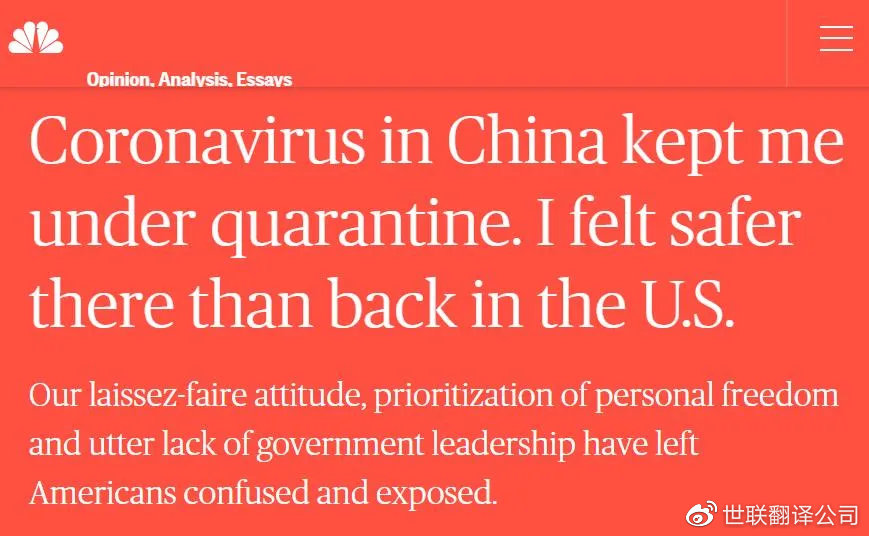
文章轉(zhuǎn)載自 雙語(yǔ)君 中國(guó)日?qǐng)?bào)雙語(yǔ)新聞 美國(guó)格林內(nèi)爾學(xué)院音樂系副教授托尼·珀曼(Tony Perman)14日在美國(guó)全國(guó)廣播公司(NBCNews)網(wǎng)站發(fā)表文章,講述自己在中國(guó)和美國(guó)兩地的兩次隔離經(jīng)歷,并客觀對(duì)比了兩國(guó)人民和政府對(duì)待疫情的態(tài)度。 在標(biāo)題里,作者說(shuō),我覺得在中國(guó)比回到美國(guó)更安全("I felt safer there than back in the US")。
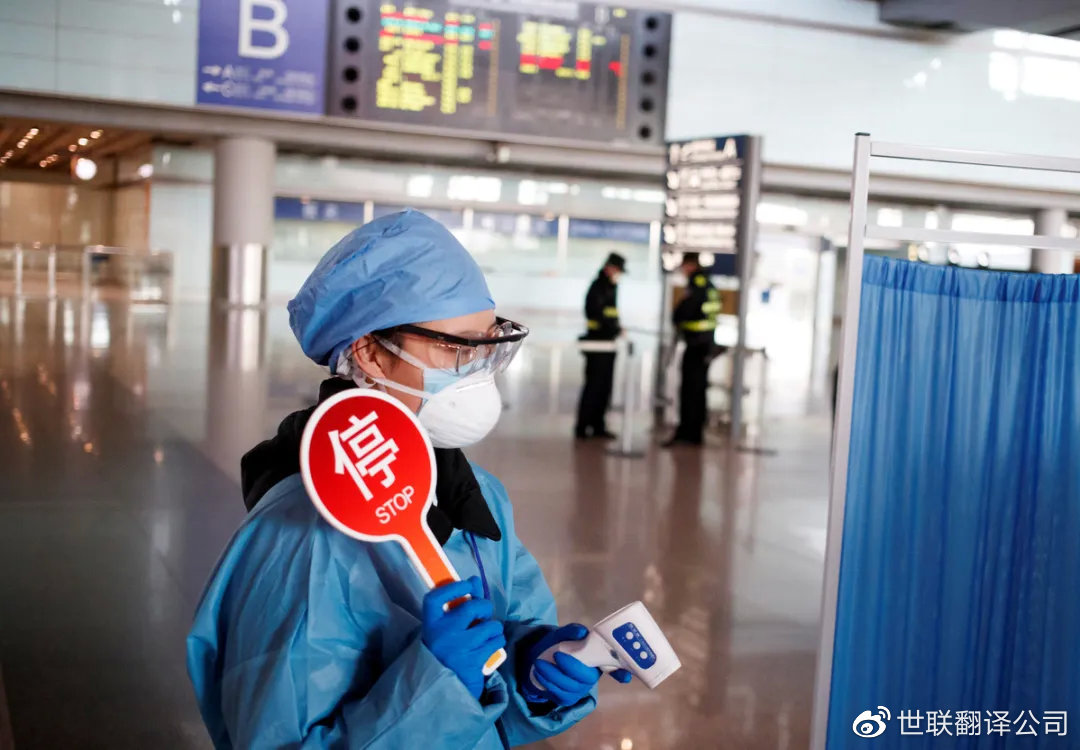
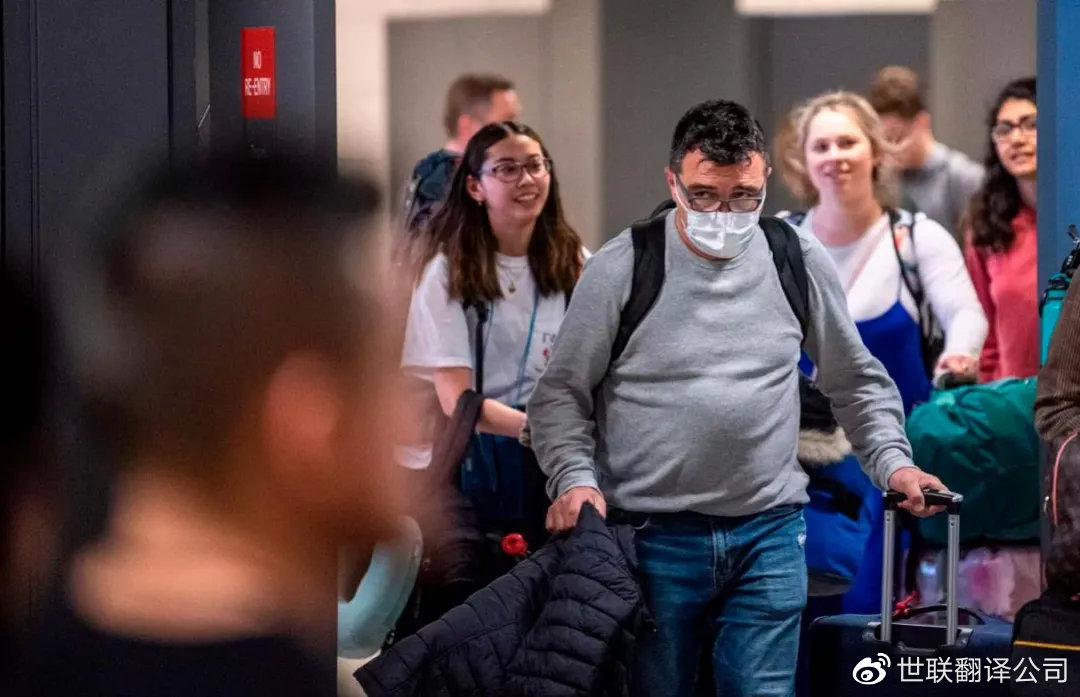
摘要:我們的放任主義態(tài)度、個(gè)人自由至上以及政府領(lǐng)導(dǎo)的完全缺失,讓美國(guó)人感到困惑并暴露在風(fēng)險(xiǎn)中。 托尼·珀曼一家在上海隔離六周后返美,飛機(jī)一落地,他就在機(jī)場(chǎng)感受到了兩國(guó)防疫措施的不同。 Our anxiety was triggered as soon as we stepped on American soil. In China, airport medical checks happened before we were allowed into areas with other passengers. At Chicago O’Hare International Airport, we waited in line with hundreds of other passengers at border security before finally being identified as having just returned from China. 剛踏上美國(guó)的土地,我們就感到一陣焦慮。在中國(guó)機(jī)場(chǎng),人們必須先經(jīng)過(guò)醫(yī)療檢查,才能進(jìn)入與其他乘客共用的區(qū)域。而在芝加哥奧黑爾國(guó)際機(jī)場(chǎng),我們先與數(shù)百名乘客一起在入境安檢處排隊(duì)等待,然后才被確認(rèn)我們是從中國(guó)回來(lái)的。
在知道他們一家從中國(guó)返回后,美國(guó)疾控中心的人員給他們量了體溫,并告知他們盡可能自我隔離14天。 Airport staff never even asked where we were going. 機(jī)場(chǎng)工作人員甚至沒問(wèn)過(guò)我們要去哪里。
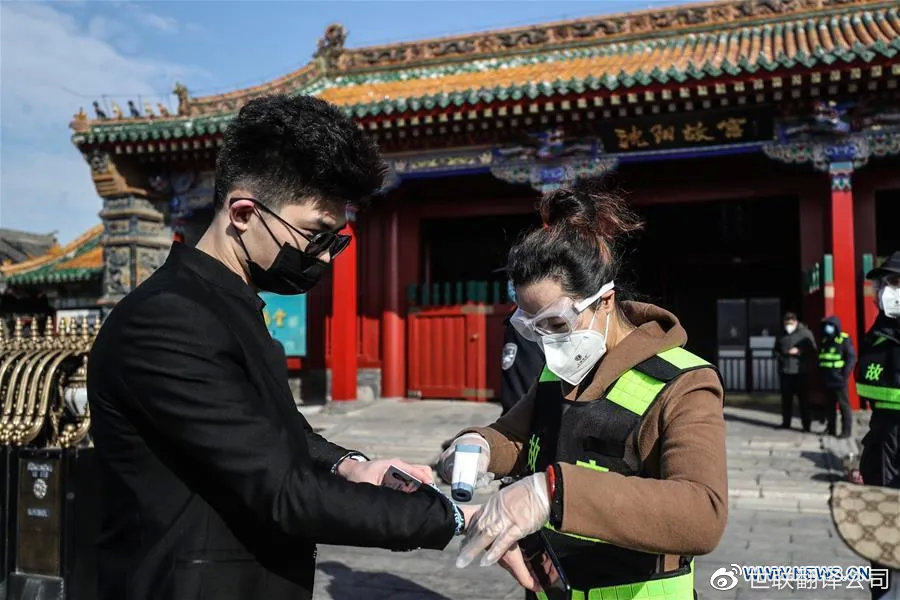
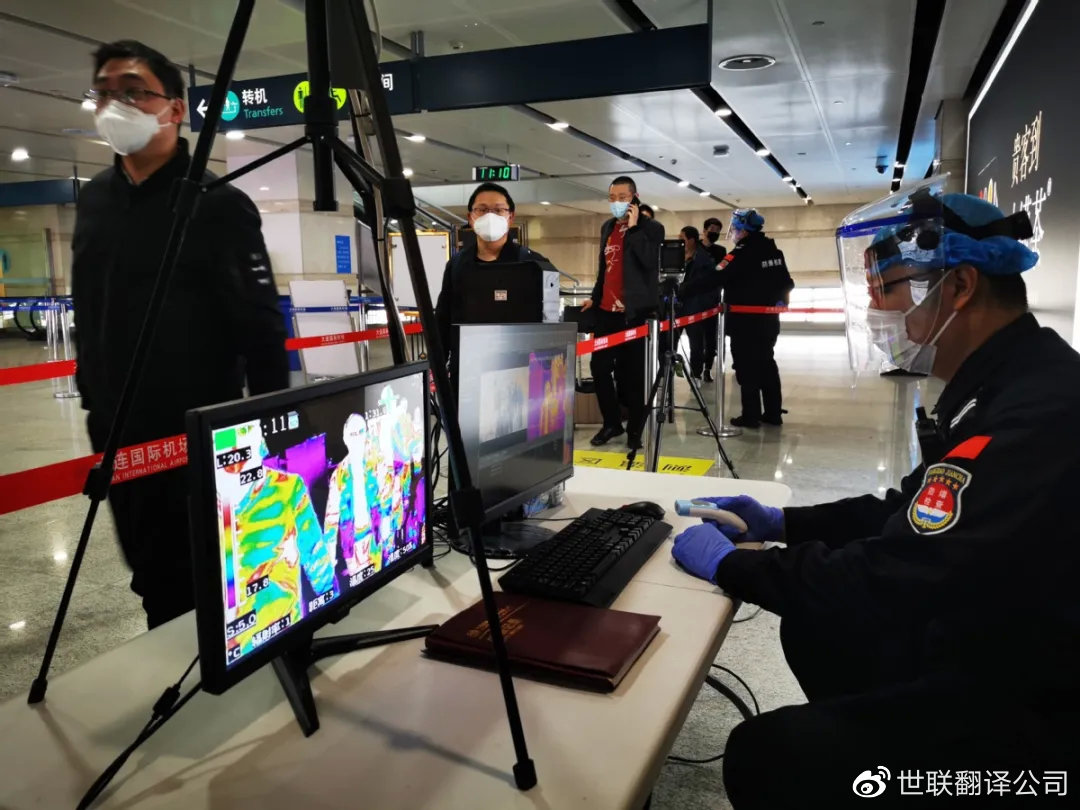
美國(guó)隔離生活開始后,他更加明顯地感覺到兩國(guó)人民在抗疫這件事上,對(duì)比之強(qiáng)烈,可不僅僅是機(jī)場(chǎng)這點(diǎn)差別(the differences are stark well beyond their airports)。 ❶ 公共利益vs個(gè)人自由 在中國(guó),自我隔離是每個(gè)人都認(rèn)可的共同義務(wù)。 In China, the obligation to isolate felt shared and the public changed their habits almost immediately. Sterilization, cleanliness and social distancing were prioritizedby everyone at all times. 在中國(guó),人們認(rèn)為隔離是一項(xiàng)共同義務(wù),公眾幾乎立刻改變了習(xí)慣。所有人都時(shí)時(shí)刻刻把消毒、清潔和保持社交距離放在首位。 prioritize /praɪˈɒrɪˌtaɪz/:優(yōu)先考慮 而在美國(guó),個(gè)人自由很重要。 In contrast, individual liberty is the engine that drives American exceptionalism. There are certainly valid questions about how much of it to sacrifice in the name of the public good, but our laissez-faire attitude, prioritization of personal freedom and utter lack of government leadership have left Americans confused and exposed. 相比之下,個(gè)人自由是推動(dòng)美國(guó)例外論的引擎。當(dāng)然,個(gè)人為了公共利益可以作出多大犧牲,確實(shí)是值得探討的問(wèn)題,但我們的放任主義態(tài)度、個(gè)人自由至上以及政府領(lǐng)導(dǎo)的完全缺失,讓美國(guó)人感到困惑并暴露在風(fēng)險(xiǎn)中。 American exceptionalism:美國(guó)例外論。美國(guó)文化中的一個(gè)理念,認(rèn)為美國(guó)是個(gè)與眾不同、獨(dú)特優(yōu)越的國(guó)家。 laissez-faire /ˌleseɪ ˈfeə(r)/ :自由放任政策 ❷ 在中國(guó):去趟超市量4次體溫 在美國(guó):隔離全靠自覺 作者講述了自己在中國(guó)隔離期間觀察到的各種嚴(yán)格措施: Every building required a temperature reading by security guards before entry. On my last excursion to a big supermarket before we left, I had my temperature taken four times between my apartment door and the produce section. 進(jìn)每一棟樓前都有保安量體溫。我回國(guó)前最后一次去超市,從出公寓門到超市農(nóng)產(chǎn)品區(qū)這一路,就被量了4次體溫。 Government offices and hospitals required travel history questionnaires to prevent anyone who’d been near the virus outbreak epicenter of Hubei from entering. 相關(guān)政府單位和醫(yī)院在進(jìn)門口要求人們填寫旅行史問(wèn)卷,避免有湖北旅行史的人進(jìn)入大樓。
同時(shí),全社會(huì)都嚴(yán)格自律并互相監(jiān)督。 Because everyone was isolated due to a complex mix of state mandates, housing authority restrictions, peer pressure and a deep sense of personal responsibility, flaunting those expectations by going out in public without masks or gathering in crowds was noticeable, frowned upon and even rebuked. 政府命令、小區(qū)限制、同伴壓力和強(qiáng)烈個(gè)人責(zé)任感融合成的一種復(fù)雜狀態(tài),使得每個(gè)人都在進(jìn)行隔離。所以,不戴口罩外出或人群聚集在一處就變得格外矚目、引人不滿,甚至?xí)獾街肛?zé)。 mandate /ˈmændeɪt/:命令 frown upon:皺眉;不贊成;不同意 rebuke/rɪˈbjuːk/ :指責(zé)
而在美國(guó),根本沒人管你有沒有居家隔離。 Here, if we didn’t decide to isolate ourselves, who would know?在這里,如果我們決定不自我隔離,又有誰(shuí)會(huì)知道? We’ve also been told not to bother with masks, and temperature-taking is an afterthought. 官方也告訴我們不用戴口罩,測(cè)量體溫也不過(guò)是事后補(bǔ)救的辦法。 ❸ 人人為我,我為人人 由于帶著根深蒂固的西方意識(shí)形態(tài),作者無(wú)法判斷中國(guó)政府的做法是對(duì)還是錯(cuò),但他認(rèn)為這些措施是管用的(Rightly or wrongly, the Chinese state’s heavy-handed approach seemed to work)。 他尤其認(rèn)可每個(gè)中國(guó)人自覺展現(xiàn)出的責(zé)任感,認(rèn)為這值得美國(guó)人學(xué)習(xí)。 There are lessons to be learned from the Chinese people... including everybody must accept their own responsibility, vulnerability and complicity — sacrificing “rights” for the collective good — or many of us will die. 值得從中國(guó)人民身上汲取的經(jīng)驗(yàn)包括:每個(gè)人都必須接受自己的責(zé)任、脆弱性和連帶關(guān)系——為了集體利益犧牲“權(quán)利”,否則,我們中許多人將失去性命。 collective:集體的
盡管作者看待中國(guó)政治體制還帶著西方固有偏見,但他感受到中國(guó)人有一種“人人為我,我為人人”( all for one and one for all)的道德觀念。 There was a palpable “all for one and one for all” ethos. palpable /ˈpælpəbl/:可感知的; 明顯的ethos /ˈiːθɒs/:道德觀;理念 而在美國(guó),聯(lián)邦政府對(duì)公眾幾乎沒有有效的指導(dǎo),責(zé)任都?jí)涸跐撛诓《靖腥菊呱砩稀?/p> With so little federal guidance, there is a trickle-down economy of responsibility and it is up to the potentially diseased to keep nondiseased people safe, while any government or collective provisions seem wholly inadequate. 聯(lián)邦的指導(dǎo)屈指可數(shù),責(zé)任也呈現(xiàn)出滴漏效應(yīng)的特點(diǎn),完全要靠潛在感染者來(lái)保護(hù)未感染者的健康,同時(shí)任何政府或集體的規(guī)定都顯得蒼白無(wú)力。 trickle-down economy:滴漏經(jīng)濟(jì)學(xué),指在經(jīng)濟(jì)發(fā)展過(guò)程中,并不給與貧困階層特別的優(yōu)待,而是降低對(duì)富裕階層的稅收以激發(fā)經(jīng)濟(jì)增長(zhǎng)和創(chuàng)造就業(yè),從而實(shí)現(xiàn)總體經(jīng)濟(jì)繁榮。 provision:規(guī)定 ❹ 威脅者vs無(wú)辜者 作者在中國(guó)有一種強(qiáng)烈的感受,即在全民抗疫的過(guò)程中,每個(gè)人都是平等的存在。誰(shuí)都可能是病毒攜帶者,誰(shuí)都可能有被感染的風(fēng)險(xiǎn)。人人都戴著口罩,人人都有責(zé)任防止病毒傳播。 In each of these moves to quell the spread of infection, it felt as if everybody was treated the same. There was never one set of guidelines for people who were potential infection risks and another for innocent bystanders. We were all at risk; we were all potential threats. Everyone was equally responsible for avoiding infecting others. 在為遏制病毒擴(kuò)散而采取的每一項(xiàng)措施中,每個(gè)人似乎都得到了同等對(duì)待。從來(lái)都不是一套指導(dǎo)原則針對(duì)具有潛在感染風(fēng)險(xiǎn)的人,而另一套指導(dǎo)原則針對(duì)無(wú)辜旁觀者。我們都面臨風(fēng)險(xiǎn);我們都是潛在威脅。每個(gè)人在避免感染他人方面都負(fù)有同樣的責(zé)任。 而在美國(guó),“潛在感染者”和“自認(rèn)健康者”有著明顯的分別。 潛在的病毒攜帶者是一個(gè)威脅,而其他自認(rèn)健康的人則事不關(guān)己高高掛起。 There’s a clear distinction between the contagious and the “innocent” who shouldn’t have to change their behavior for anyone because individual liberty is a greater value than collective deference. 有傳染性的人與“無(wú)辜”者之間有著明確區(qū)別,后者不必為任何人改變自己的行為,因?yàn)閭�(gè)人自由的價(jià)值大于集體順從。 更糟糕的是,華裔成為了被歧視和攻擊的對(duì)象。 People who appear Chinese are particularly being targeted with harassment and blamed in the US, reinforcing the divide between threat and innocent. 在美國(guó),外貌像華裔的人尤其會(huì)受到騷擾和指責(zé),威脅者與無(wú)辜者之間的割裂又加深了一層。 這種把疾病政治化的作法,令作者痛心疾首。 In our already polarized country, we don’t need another social division. And every day the disease is politicized in this way is a day when the virus’s utter disregard for passports and party affiliation gives it the upper hand. 我們這個(gè)國(guó)家已經(jīng)足夠分化的了,別再來(lái)一種新的社會(huì)分裂了。而且,疾病以這種方式被政治化的每一天,都是這種無(wú)視護(hù)照和黨派隸屬關(guān)系的病毒占據(jù)上風(fēng)的一天。 ❺ 美國(guó)人該怎么辦 文章的最后,作者對(duì)比了中國(guó)和美國(guó)的現(xiàn)狀。他說(shuō),美國(guó)政府無(wú)法阻止疫情擴(kuò)散,美國(guó)人民自己要負(fù)起責(zé)任來(lái)。 We left Shanghai as the city was showing signs of flickering optimism. New cases were rare. Life was returning to normal, and the millions of quarantined residents were emerging tentatively from the shadows. 我們離開上海時(shí),這座城市正顯示出若隱若現(xiàn)的樂觀跡象。新增病例很少。生活正在回歸正常,數(shù)以百萬(wàn)計(jì)被隔離的居民試探性地從隱蔽處探出頭來(lái)。
We entered the US as a country in panic. Guidelines shift from day to day and agency to agency. Coronavirus tests and adequate health facilities are in short supply. It’s clear that the government can’t stop the spread. 我們進(jìn)入美國(guó)時(shí),全國(guó)正處于恐慌中。指導(dǎo)原則一天一變,每個(gè)機(jī)構(gòu)都不一樣。新冠病毒檢測(cè)盒和衛(wèi)生設(shè)施供應(yīng)不足。顯然,美國(guó)政府無(wú)法阻止病毒擴(kuò)散。 We can’t simply hope high-risk people manage to avoid infecting others. It is up to all of us and each of us. We are all threats and we are all innocents. 我們不能只寄望于高危人群不去感染他人。真正要靠的是我們所有人、每一個(gè)人。我們都是威脅者,我們都是無(wú)辜者。 編輯:大春 來(lái)源:美國(guó)全國(guó)廣播公司 參考消息 世聯(lián)翻譯-讓世界自由溝通!專業(yè)的全球語(yǔ)言翻譯供應(yīng)商,上海翻譯公司專業(yè)品牌。絲路沿線56種語(yǔ)言一站式翻譯與技術(shù)解決方案,專業(yè)英語(yǔ)翻譯、日語(yǔ)翻譯等文檔翻譯、同傳口譯、視頻翻譯、出國(guó)外派服務(wù),加速您的全球交付。 世聯(lián)翻譯公司在北京、上海、深圳等國(guó)際交往城市設(shè)有翻譯基地,業(yè)務(wù)覆蓋全國(guó)城市。每天有近百萬(wàn)字節(jié)的信息和貿(mào)易通過(guò)世聯(lián)走向全球!積累了大量政商用戶數(shù)據(jù),翻譯人才庫(kù)數(shù)據(jù),多語(yǔ)種語(yǔ)料庫(kù)大數(shù)據(jù)。世聯(lián)品牌和服務(wù)品質(zhì)已得到政務(wù)防務(wù)和國(guó)際組織、跨國(guó)公司和大中型企業(yè)等近萬(wàn)用戶的認(rèn)可。 |